
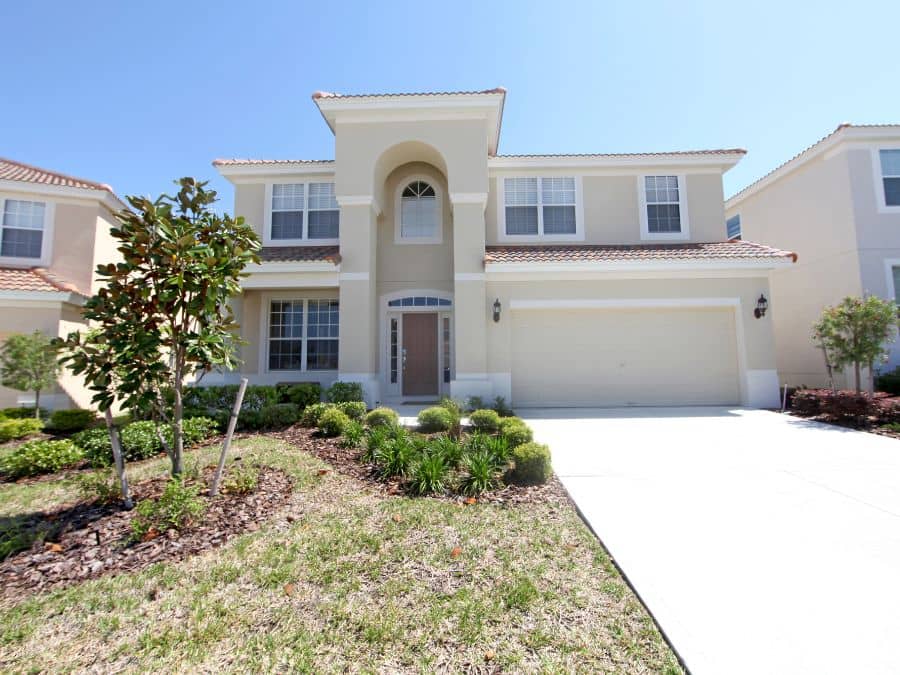
In Florida, choosing the right garage door isn’t just about looks—it’s about survival. Sweltering summers, relentless humidity, salty air, and powerful tropical storms all work against your home’s exterior. The garage door, being one of the largest moving parts of your house, takes a direct hit from these conditions. Selecting the right material is critical to ensure long-term durability, curb appeal, and safety.
This guide breaks down the best garage door materials for Florida’s climate, explaining how each one holds up to heat, moisture, and storm risks.
Why Florida’s Climate Demands Durable Garage Door Materials
Florida’s weather isn’t forgiving. Homes near the coast face constant salt air, which corrodes metal and eats away at paint. Inland regions deal with high humidity and blistering sun that can warp wood, peel finishes, and overheat uninsulated spaces.
Add in hurricane season—which stretches from June through November—and the pressure on your garage door increases. Weak materials can buckle under pressure, rust prematurely, or deteriorate faster than you expect. That’s why your garage door material must check all the boxes:
- Moisture resistance
- UV protection
- Wind-load durability
- Low maintenance
Let’s explore the most popular garage door materials and how they fare under Florida’s extreme conditions.
1. Steel Garage Doors
Pros:
- Highly durable and strong
- Resistant to warping and cracking
- Available in insulated models for heat protection
- Accepts a variety of paint finishes and styles
Cons:
- Can rust if the coating is damaged
- May dent if hit by heavy objects
Best for: Homeowners seeking a long-lasting door with hurricane-resistance capabilities.
Steel doors are a top choice for Floridians because of their strength and wind-load compliance. Double- or triple-layer steel doors with foam insulation also offer superior energy efficiency. If you’re near the coast, opt for galvanized or stainless steel models with protective coatings to prevent rust.
2. Aluminum Garage Doors
Pros:
- Naturally rust-resistant
- Lightweight and modern-looking
- Often paired with glass panels for style
Cons:
- Dents easily
- Less insulating than steel unless specified
Best for: Modern homes in coastal regions needing a rust-resistant material.
Aluminum’s resistance to corrosion makes it ideal for beachfront or bayside homes. Many aluminum doors feature contemporary styling with frosted or clear glass. However, insulation must be added to help regulate interior temperatures.
3. Fiberglass Garage Doors
Pros:
- Lightweight
- Resistant to salt air and moisture
- Can mimic the look of real wood
Cons:
- Can yellow or become brittle over time
- Less impact-resistant than steel
Best for: Homeowners who want a wood-like appearance without the maintenance.
Fiberglass doesn’t absorb moisture and holds up well against salt exposure, making it a practical alternative to wood in Florida. It’s also low-maintenance and often more affordable than natural materials. Just be aware that low-grade fiberglass can become brittle under prolonged UV exposure.
4. Vinyl Garage Doors
Pros:
- Highly moisture-resistant
- Doesn’t rust, peel, or warp
- Durable against dents and dings
Cons:
- Limited color and design choices
- Can fade in direct sunlight over time
Best for: Families seeking a low-maintenance, dent-resistant option.
Vinyl is practically immune to the moisture-related issues that plague other materials. It’s ideal for homes in humid zones or areas prone to heavy rain. Plus, vinyl doors resist scratches and are kid- and pet-friendly. They require little upkeep, but design options are somewhat limited.
5. Wood-Look Composite Garage Doors
Pros:
- Looks like real wood without the downsides
- Moisture- and insect-resistant
- More durable than natural wood in Florida
Cons:
- Typically more expensive
- May need refinishing over time
Best for: Homeowners who love the look of wood but don’t want the upkeep.
Wood-look composite doors offer the aesthetics of carriage-style or rustic wood doors while standing up to Florida’s heat and humidity. Made from recycled wood fibers and synthetic resins, they’re built to last without cracking, swelling, or rotting.
6. Natural Wood Garage Doors (Use with Caution)
Pros:
- Unmatched beauty and curb appeal
- Fully customizable
Cons:
- High maintenance
- Vulnerable to moisture, insects, and UV damage
- May not meet hurricane wind-load requirements
Best for: Homeowners committed to regular upkeep and non-coastal locations.
While undeniably beautiful, natural wood doors are the least practical option for most Florida homeowners. They require frequent sealing or painting and are more susceptible to mold, warping, and weathering. If you go with wood, consider it only for protected inland homes, and work with a vendor who can ensure proper treatments and hurricane compliance.
Insulation Matters: Don’t Overlook the Interior
No matter which material you choose, insulation plays a key role in performance. Florida’s heat can turn your garage into an oven. Insulated doors help:
- Keep garages cooler
- Protect items stored inside from heat damage
- Reduce noise from the outside
- Improve your home’s overall energy efficiency
Look for doors with polyurethane or polystyrene insulation sandwiched between durable outer layers. R-values of 9 or higher are recommended for Florida homes.
Bonus Tip: Wind Code Compliance Is a Must
Garage doors in Florida must meet specific wind-load ratings based on your location. Always check for a label confirming that the door complies with the Florida Building Code (FBC). If you live in a high-velocity hurricane zone (HVHZ), such as Miami-Dade or Broward County, your garage door must pass impact-resistance testing as well.
Consult a local professional to ensure your new door is both code-compliant and properly installed. Never assume a door is hurricane-rated just because it looks solid.
Final Thoughts
In Florida, the garage door you choose is more than a design decision—it’s a matter of safety, durability, and comfort. Steel, aluminum, fiberglass, vinyl, and composite wood-look doors all offer strong options depending on your specific needs and location. Natural wood, while beautiful, should be approached with caution due to the state’s moisture-heavy climate.
Focus on materials that resist corrosion, maintain structural integrity, and meet local wind codes. Add insulation to improve energy efficiency, and never cut corners on professional installation.
When the humidity rises and the wind starts to blow, the right garage door will protect your home, boost its value, and give you peace of mind.